Why events are the gateway to community
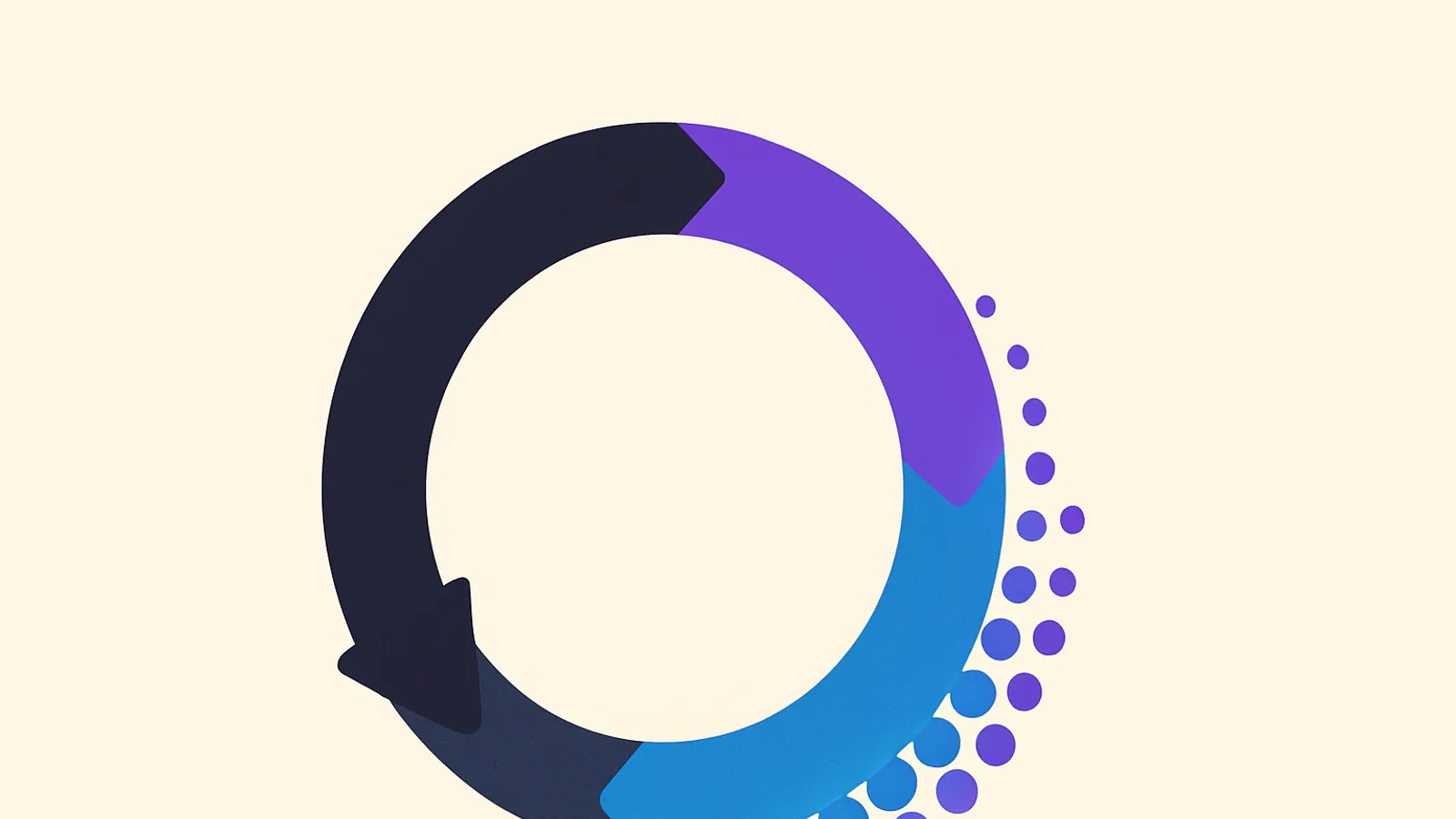
Events → communities → commerce: the Circli flywheel, and why you don't break the conversation when the last day ends.
The thesis
Most event platforms in the market optimize for one thing: sell the ticket and run the day. The moment the event ends, the attendee disappears. Energy, connections, and audience evaporate. Next year, you buy traffic from zero again.
That's a one-shot business: every event starts from scratch.
We believe an event used well is the gateway to something bigger — a recurring community, a commerce vertical, a service network. The only way to capture that continuity is to not break the conversation when the event ends.
The flywheel
Invite: a printed QR, a link, a referral. One tap, no download.
Engage: during the event, agenda + networking + sponsors + venue map, all in a portal that opens in the phone's browser.
Retain: after the event, the community keeps going. Notices, private channels, a recurring calendar. People who were at the event keep seeing each other.
Monetize: lead-generating sponsors, ticketing, add-ons, memberships, member-to-member commerce. The community is already qualified — you're not selling cold.
Every loop adds to the next: next year's event starts with the audience already retained.
The condition that makes the flywheel possible: zero friction at the door
A flywheel stalls at the point where you have to ask the person for something. In events, that point has always been the same one: the download.
The event app is the idea the industry can't quite let go of, and it's the one that breaks the loop at step one. Someone is standing at the entrance, one hand occupied, signal poor, and the system asks them to go to a store, find the right name among three near-identical ones, pull down forty megabytes, open it and create an account. Every one of those steps loses people, and it loses them cumulatively. A fraction reaches the end of the funnel — and that fraction is what the event's "engagement" then gets calculated on.
Worse: whatever got downloaded for an event gets deleted that same week. All the retention the app promised is wiped along with it, and the following year starts from scratch again — which is precisely the problem the flywheel exists to solve.
So there is one rule and it isn't negotiable: the person arrives at a web address and installs nothing. No store, no download, no account to create, no pending update. The event portal opens in the browser already in their hand. A QR stuck on the door works for the person who arrived early and the one who arrived late, for the one whose phone is full and the one who replaced it yesterday.
That decision is what lets the four steps of the loop connect at all. Inviting costs one tap, so you can invite from a poster. Engaging asks nobody to install anything, so the people who make it to the hallway also make it to the directory. Retention doesn't depend on anyone keeping an app, only on an address that still exists. And monetization rests on an audience that actually came in, not one that downloaded.
What that demands of the notification channel
The other half of the problem is how you talk to that audience between one event and the next.
A channel works for this if it does four things: it reaches people without them installing anything, it respects their time (no bursts, no notices at three in the morning), it lets you identify them for real so next year's conversation picks up where it left off, and it doesn't charge the organizer per message — because a channel billed by the unit stops being used exactly when the community grows, which is when it matters most.
None of those four is negotiable, and none of them is free to get. It's the problem that occupies us most, and it deserves its own post.
Why an event is the best gateway, not just any gateway
It's worth saying why the loop starts at an event and not somewhere else.
A community started cold has to solve two things at once: gather the people, and give them a reason to stay. It almost always fails at the second, because a group with no shared history is a list of strangers with a nice name on it.
An event solves the first in a way no campaign can match — these people already travelled, already paid, already blocked out the day — and throws in the second for free: when it ends, those people share something that happened. They saw each other's faces, sat through the same talk, argued about the same panel. That is exactly the material a community is made of, and it's what most organizers let evaporate on Sunday night.
Which is why the event isn't an acquisition tactic: it's the one moment in the year when an audience turns into a group. The rest of the loop is just not wasting it.
What this means for our roadmap
- Today: Circli Events — the gateway, with agenda, networking, check-in and sponsors.
- Next: persistent communities — where the event keeps going after the last day.
- After that: commerce (lead-generating sponsors, ticketing, memberships) and insights (attribution and ROI per sponsor).
If you run an event or a recurring community and this flywheel resonates, discover Circli Events or talk to us. The organizers we find most interesting this year are the ones who want to operate the community after the event, not before it.