Mendoza Coopera 2026: a government event, with zero downloads
Mendoza's Ministry of Production gathered the cooperative sector at the Nave Cultural, with Circli as Official Technology Partner.
The summit
On August 6, the Nave Cultural in the city of Mendoza hosted Mendoza Coopera 2026, the summit organised by the Directorate of Entrepreneurs and Cooperatives of the Ministry of Production around a theme that framed the whole day: cooperative enterprises, leadership and territorial development.
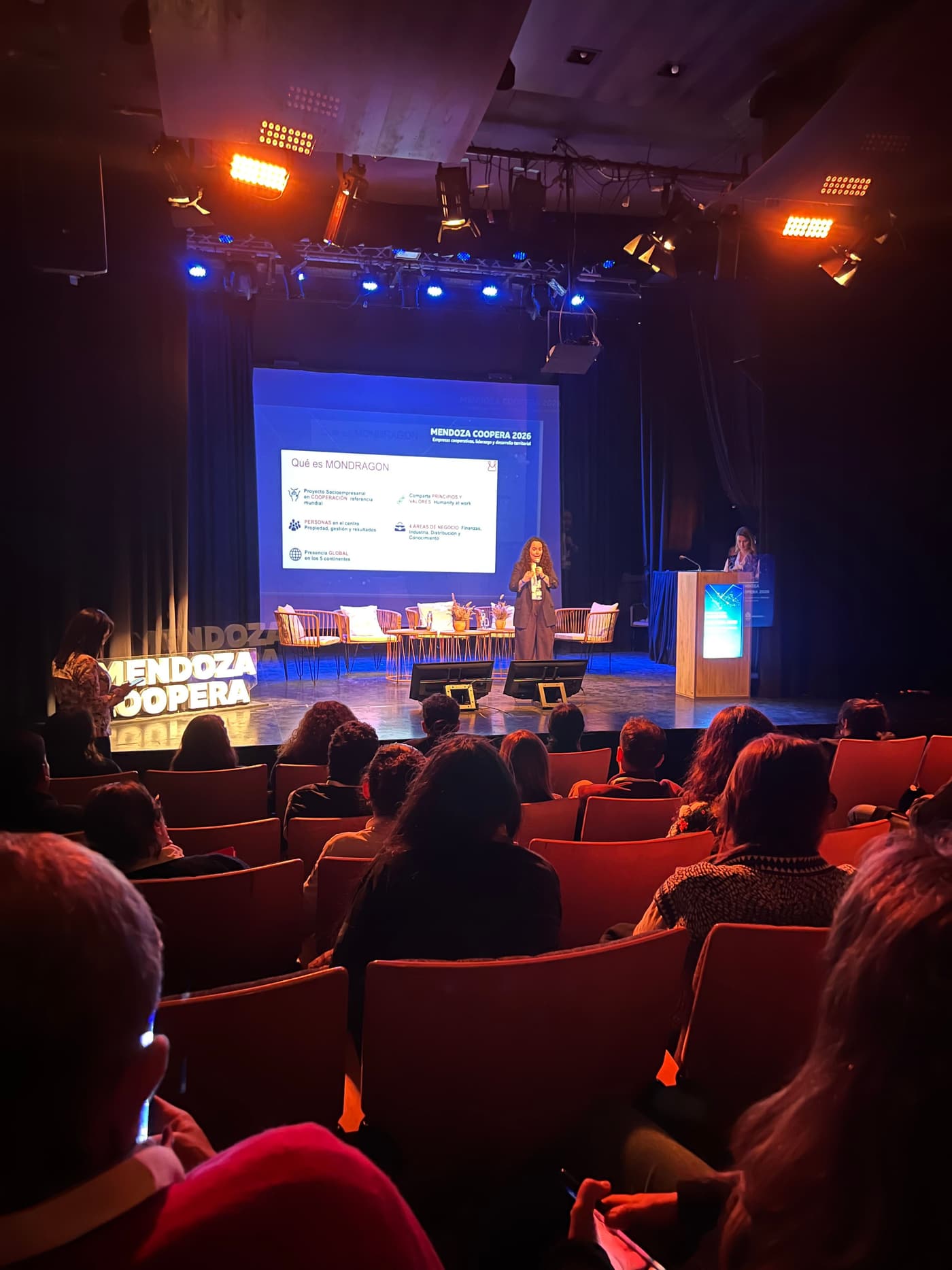
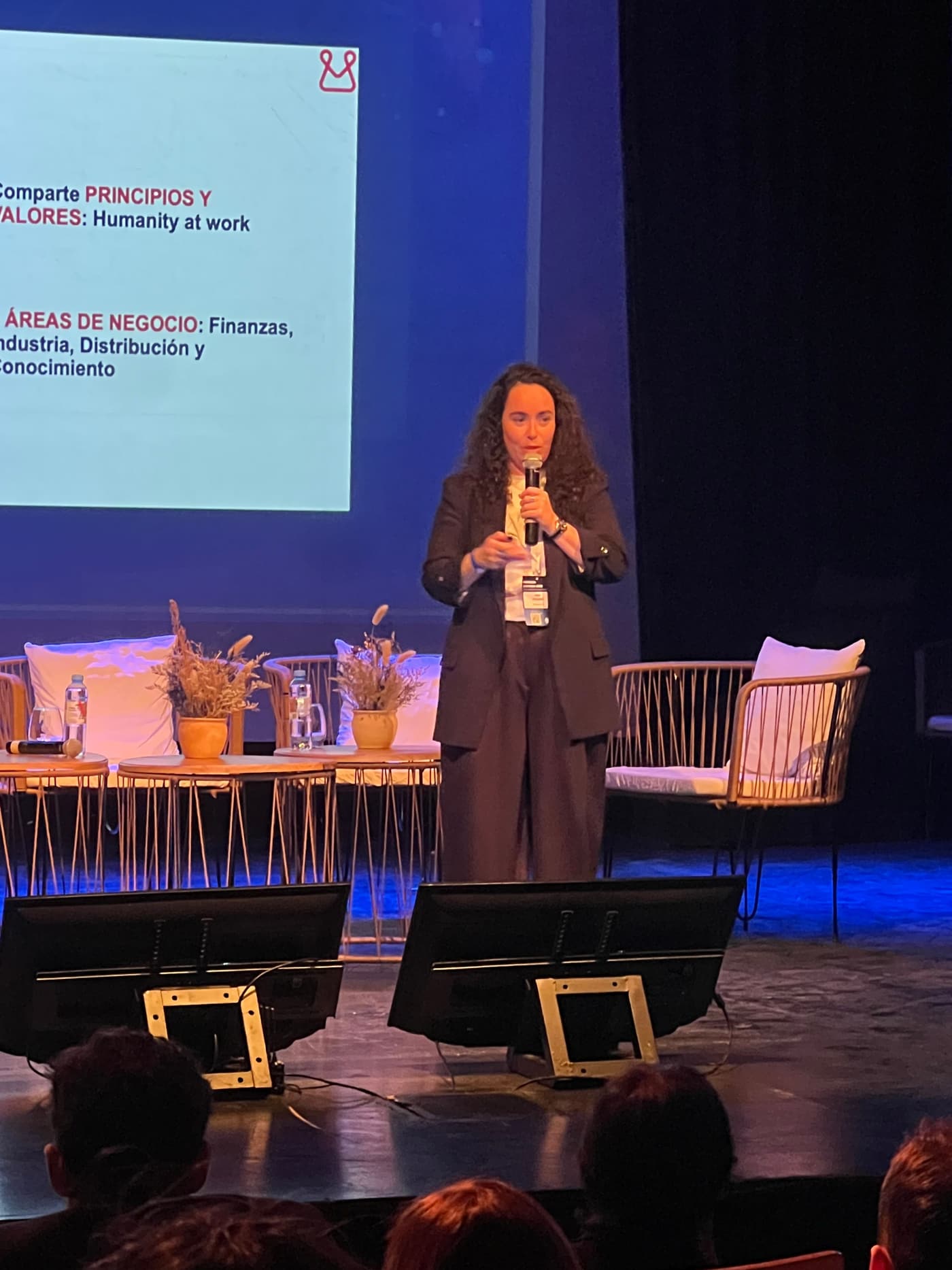
The room filled up early. On stage: Andrea Nallim, director of Entrepreneurs and Cooperatives for the province; Alberto Marengo, undersecretary of Industry, Trade and Logistics of Mendoza; Manuel Leiva, president of the Federation of Worker Cooperatives in Technology, Innovation and Knowledge; Ana Aguirre Uriz, director of Open Government and Good Governance for the Basque Government, who brought the Mondragón experience; Andrea Barbeito, co-founder of Salus.Coop; and Nicolás Jacquet, president of the Regional Youth Committee of Cooperatives of the Americas.
Our role
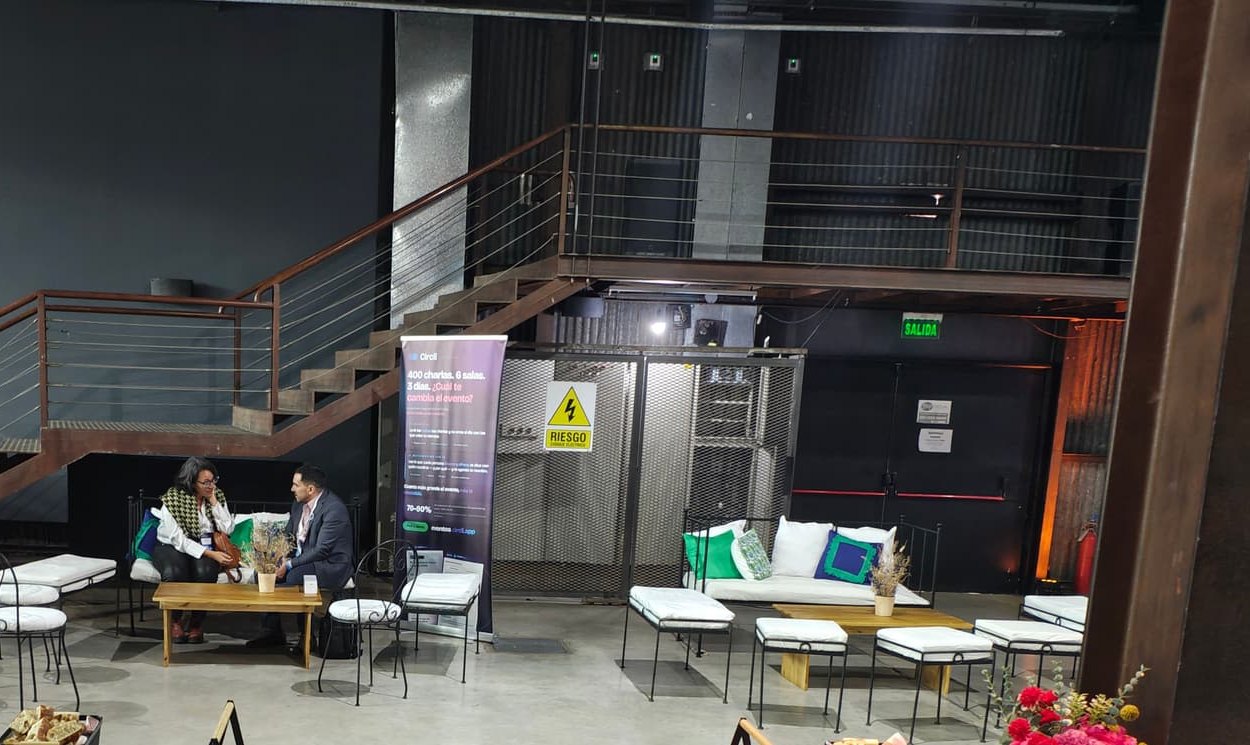
Circli took part as the summit's Official Technology Partner: we provided the platform the day's digital experience ran on, plus our own lounge in the networking area.
The front door: a QR code and nothing else
Nothing to download, no account to create, no passwords. You scanned a code and you were inside the event portal. From there on, everyone had the whole day on their phone.
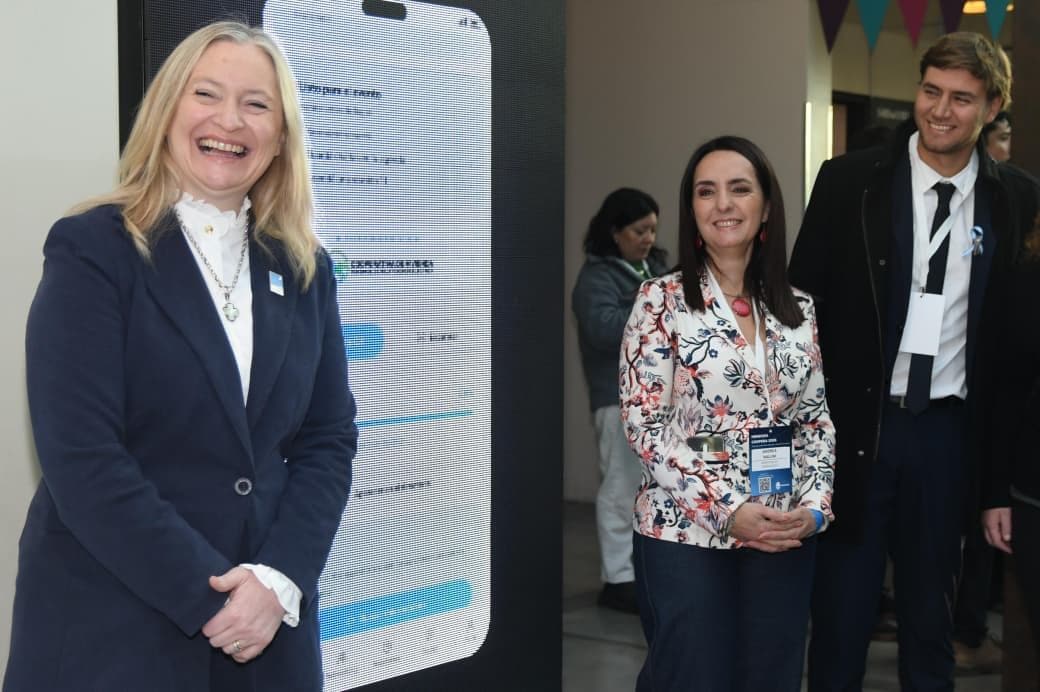
Inside the portal, what stayed open all day:
- The full agenda, with the talks in both rooms and the day's real timings.
- The attendee directory: everyone filled in a profile —what they do, what they're looking for, what they offer— visible to the rest.
- AI matchmaking: the engine read those profiles and told each person who was worth meeting, and why.
- 1:1 meetings in three windows —coffee break, lunch and the networking block—, with talk slots blocked so nobody missed a panel over a meeting.
- Live questions for the panels, sent straight from your seat.
- Event chat and feed, for the conversations an agenda can't hold.
- Sponsor placements rotating in the portal, by event tier.
- Notices to the phone at the key moments, fired manually by the Ministry's team so they landed when the event actually resumed.
Live questions, by QR
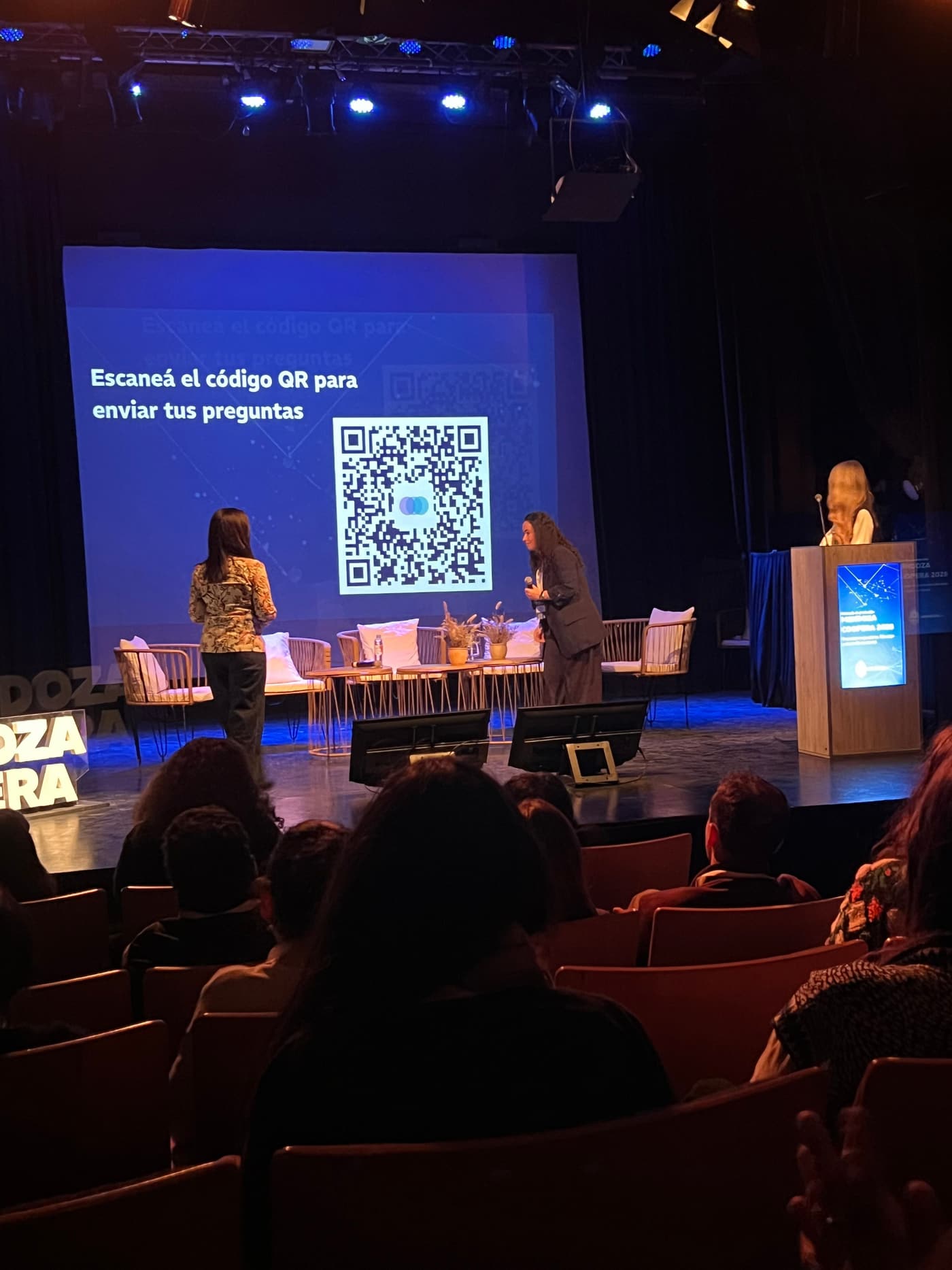
This was the most used feature of the day. Between panels, the screen showed a QR code with a single instruction: scan the QR code to send your questions. Anyone who wanted to ask did it from their seat, on the phone already in their hand — no standing up, no waiting for a roving mic and, again, nothing to install.
Networking, off the phone
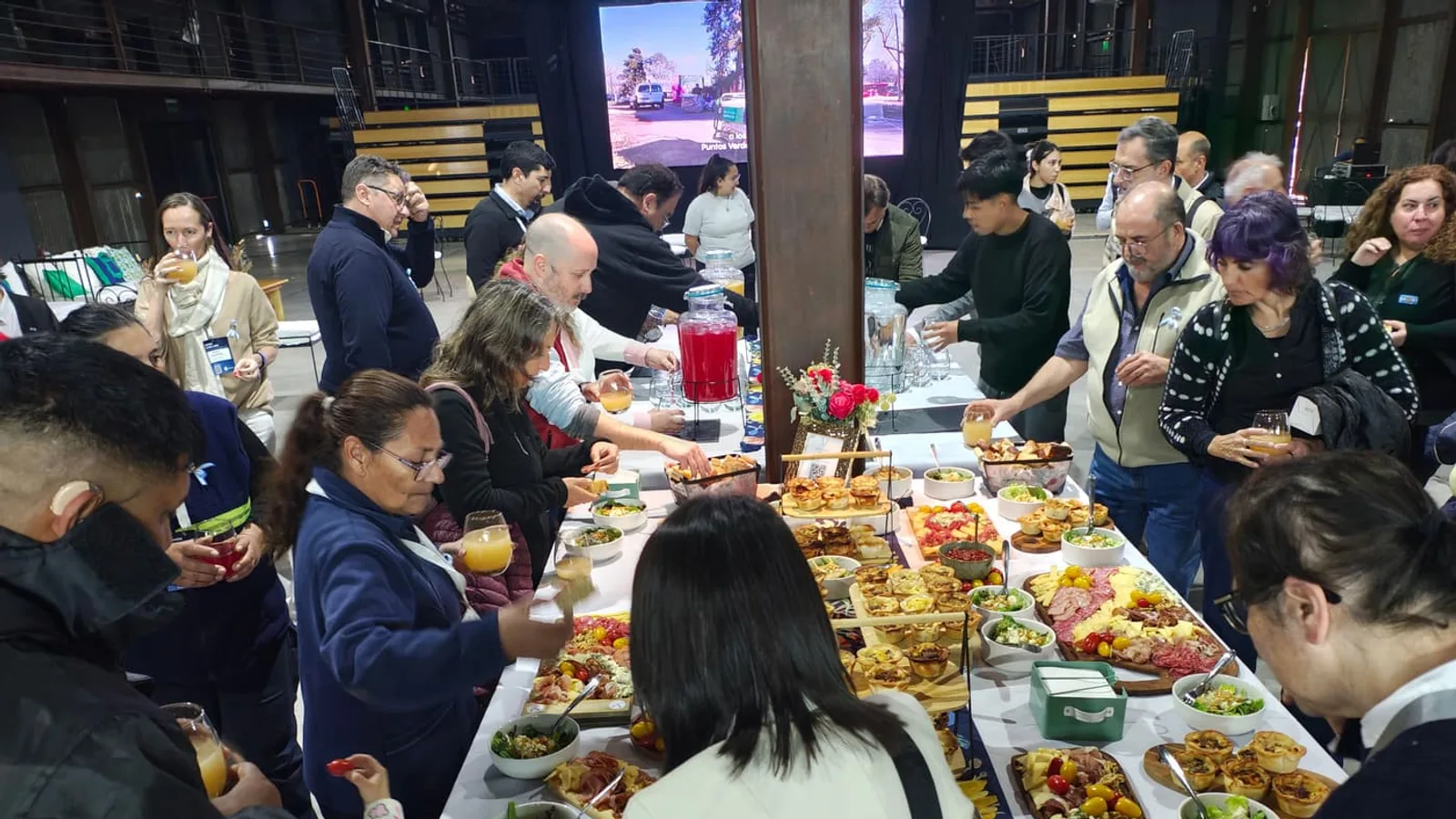
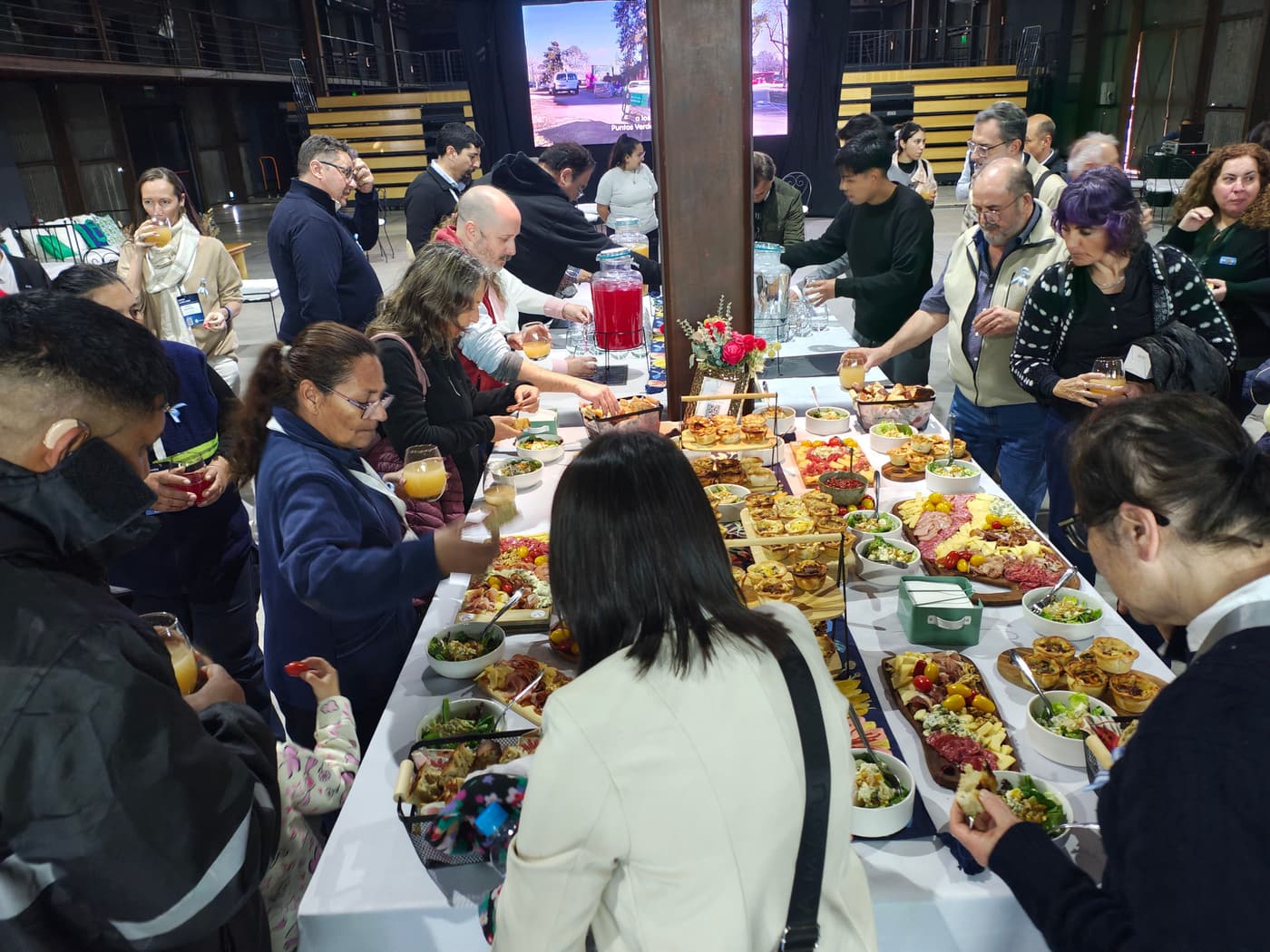
The connections matchmaking suggested turned into actual conversations at the coffee break and lunch, the two busiest windows of the day.
What the press said
Los Andes, the summit's media partner, covered the day in a piece by Diana Chiani, and named us while describing how people were connecting:
De hecho, desde el portal web realizado para este evento por Circli ya se podían cargar los datos para que tanto los participantes del foro como los externos pudieran contactarse por temas laborales.
("In fact, through the web portal built for this event by Circli, people could already enter their details so that both forum participants and outsiders could get in touch about work.")
Full article: Cooperativas: cómo innovar y ser rentables con las personas en el centro del crecimiento (Los Andes, August 6, 2026, in Spanish).
What we took away
- QR questions lower the barrier. Asking in public is costly; asking from your phone is not. It was the most used feature, and the one the room understood fastest.
- A government event plays by its own rules. No booths, no expo floor: panels, officials, and an agenda that can slip. Notices were fired by hand, when the event was ready — not by the clock.
- The profile is the product. What makes matchmaking work isn't the screen; it's people saying what they're looking for and what they offer. That's the part to make easy.
- Blocking the talks was the right call. When 1:1 availability went live, panel slots were closed off. Nobody had to choose between meeting someone and hearing a speaker.
- The front door is won by whoever asks for nothing. No app to download, no password to remember. With an audience that didn't come to try an app, that's the difference between the digital layer existing or not.
For journalists: the Mendoza Coopera 2026 press release has the day’s data.
Running an event? Discover Circli Events or write to us.